

Your 1031 Exchange Failed. Now What?
Your 1031 exchange fell apart. Maybe the replacement property fell through or the 180 days ran out. The tax bill you deferred is suddenly back on the table.
Here is what happens next: how failed-exchange funds are returned, when partial deferral still applies, and the smart options for your next move.

Reverse 1031 Exchanges: Buying Your Replacement Property Before You Sell
Found the perfect replacement property but have not sold yours yet? A reverse 1031 exchange lets you buy first, but the IRS clocks and parking rules are unforgiving.
Here is how reverse exchanges work: the exchange accommodation titleholder, the 45-day identification and 180-day closing deadlines, costs to expect, and mistakes that blow the deferral.

How to Choose a Qualified Intermediary for Your 1031 Exchange
Your 1031 exchange depends on a company you may never meet holding your sale proceeds for up to 180 days. The QI industry is lightly regulated, and past failures wiped out investor deferrals.
Here is how to vet a qualified intermediary before you sign: six questions covering segregated accounts, dual-signature controls, fidelity bonds, financials, fees, and the fund-return process.
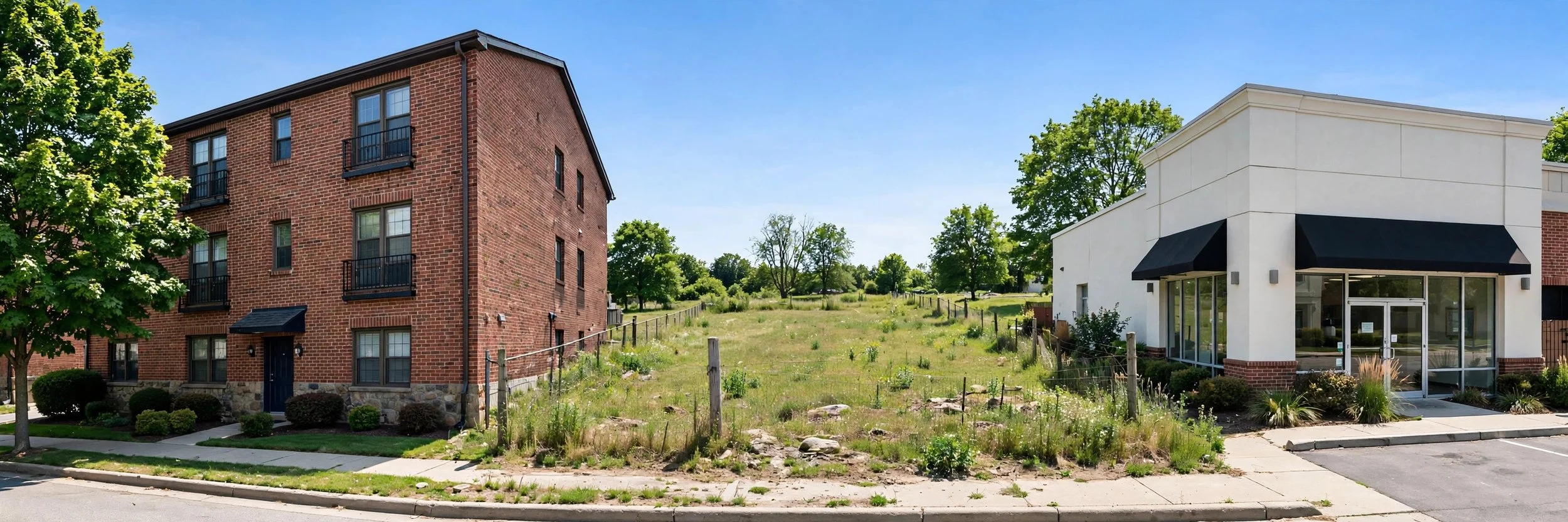
What Counts as “Like-Kind” Property in a 1031 Exchange?
"Like-kind" doesn't mean identical. Nearly all U.S. real property held for investment is like-kind to other real property. Learn the rules, the common traps, and where DSTs fit.